
July 13, 2026 · The Ruhama Team
When the Water Rises: The Bangladesh Floods
Rain is part of life in Bangladesh. It fills ponds, feeds rice fields, and brings relief after the long heat. But there is a point at which rain stops being a season and becomes an emergency.
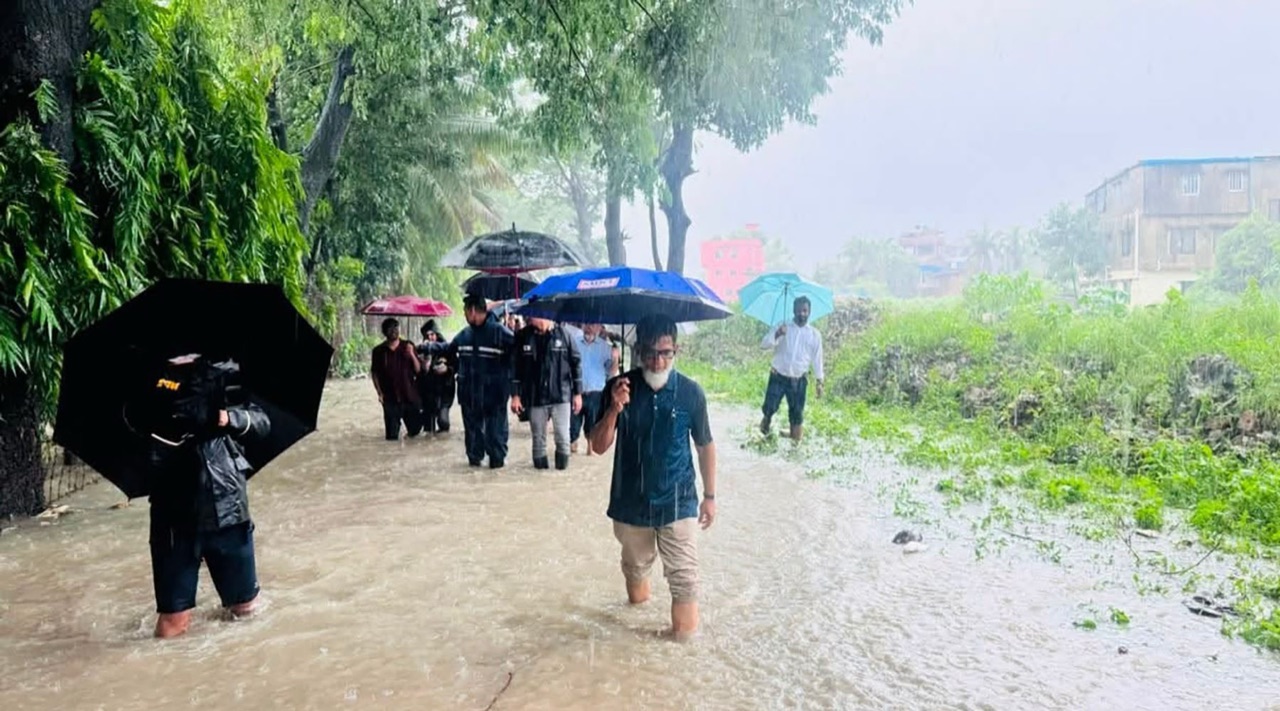
In July 2026, that change came quickly across southeastern Bangladesh. Days of intense rain sent water down the hills, raised rivers, submerged roads, and triggered landslides.
By 12 July, the Ministry of Disaster Management and Relief reported that 1,022,963 people had been affected across seven districts. At least 51 people had died, more than 267,000 families remained marooned, and 44,457 people were in shelters.
The figures show the scale. They cannot show what it means to watch water enter a home.
Five days that changed everything
On 8 July, the Bangladesh Meteorological Department warned that Cox's Bazar, Bandarban, Chattogram, Rangamati, and Khagrachari could receive 200 to 500 millimetres of rain over the next three days. People in high-risk areas were urged to move to shelters.
The ground was already saturated. Chattogram had recorded 412 millimetres in 24 hours on 7 July, its highest one-day total in 43 years.
Around Chattogram and the hill districts, water rushes down steep slopes into rivers, canals, and low-lying settlements. Roads and bridges needed for escape can become impassable within hours.
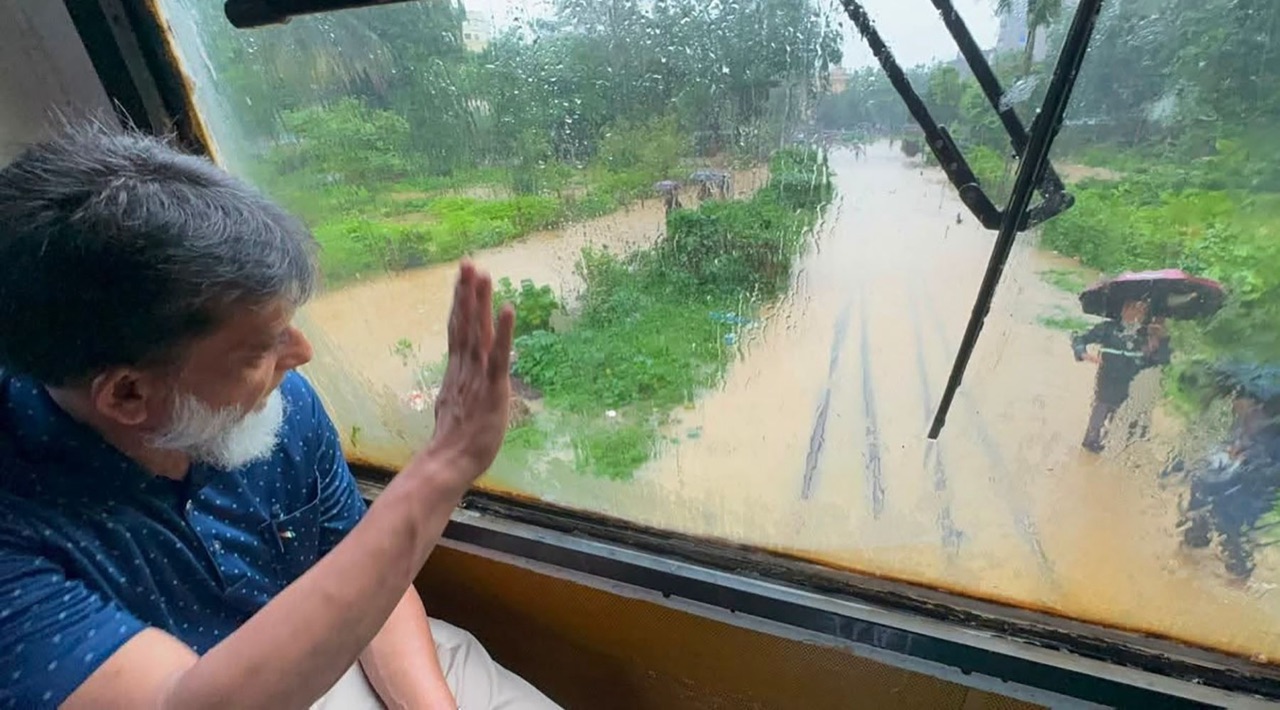
In Satkania and Banshkhali, more than half a million people were reported stranded. Elsewhere, landslides, damaged roads, and a collapsed bridge cut off communities from rescuers and supplies.
The disaster was not water alone. It was water plus isolation.
When a home becomes unlivable
Floodwater does not need to collapse a house to make it unlivable. It ruins bedding, food, medicine, schoolbooks, clothes, and cooking supplies.
When water reaches roof level, families may be forced onto the roof or out of the home entirely. Ground-level tube wells and latrines are submerged or unreachable, so they cannot provide usable water or sanitation. Even after the water falls, wells may need to be disinfected and the water treated before it is safe to drink.
Nearly 80,000 homes were reported damaged across Chattogram Division, along with 344 educational institutions, 3,840 kilometres of roads, and 339 bridges or culverts.
The loss also reaches livelihoods. In Chattogram district, preliminary assessments found 15,911 hectares of cropland damaged. Fish, shrimp, and fry were washed from 9,933 ponds, lakes, and farms—taking away food, income, and savings.
The crisis after the water
Standing water and submerged sanitation systems increase disease risk. Families need safe drinking water, oral saline, hygiene supplies, medicine, and food that does not require a working kitchen. Children, older people, pregnant women, and people with disabilities may face greater difficulty reaching shelters or collecting aid.
Recovery means clearing mud, replacing bedding, repairing homes, reopening shops, finding seed, and restocking ponds. Damaged roads can keep villages isolated after the rain ends. The water may recede before the crisis does.
What useful relief looks like
Useful emergency relief responds to needs on the ground:
safe drinking water, containers, oral saline, and hygiene supplies;
ready-to-eat food and essential groceries;
basic medicine, baby supplies, and support for vulnerable people; and
boats, transport, local knowledge, and volunteers for the difficult last mile.
Good relief must remain flexible. Conditions change hour by hour, and needs differ from one union to the next. The most responsible response is guided by verified information from people on the ground and by the safest available routes.
Ruhama is raising emergency funds for flood-affected families across Chattogram Division. Donations will support urgent confirmed needs, including safe water, food, medicine, essential supplies, and last-mile delivery. Give to the Bangladesh Flood Emergency Appeal.
The response must continue
A million affected people is difficult to picture. The reality is one family at a time: leaving home in the rain, waiting for a safe route, and returning to mud and ruined belongings. The response cannot end when the rain does.
Situation figures were last verified on 12 July 2026 and may change. Reporting sources: Ministry flood situation report via The Business Standard, Chattogram divisional damage assessment via BSS, Bangladesh Meteorological Department warning, and agriculture and fisheries assessment. July 2026 photographs: Bangladesh Press Information Department via Wikimedia Commons—flooded railway inspection and submerged railway line. These PID works are public domain.

